Payment Platform Engineering
High-throughput backend work across queues, APIs, workers, integrations, and reliability improvements, described at the domain level instead of naming sensitive internals.
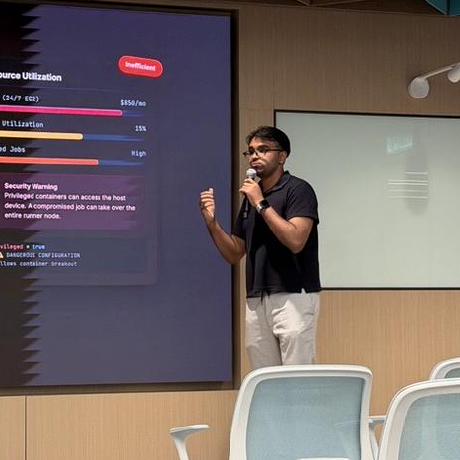
Backend engineer from Malaysia
Puvaan is a Malaysia-based backend engineer building payment systems, cloud infrastructure, developer tools, and privacy-first AI experiments.
Now
Building backend systems around payment flows, worker reliability, APIs, and production operations without exposing private company details.
How I Learn
I turn curiosities into tools: local AI assistants, incident dashboards, OCR utilities, password/security labs, and small products that teach the real tradeoffs.
Thread
My story is mentorship, self-learning, cloud systems, careful writing, and getting better at explaining complex work in a simple public voice.
Production focus
Payments
Company awards
2
Favorite layer
Backend
Build style
Privacy-first
Work story
High-throughput backend work across queues, APIs, workers, integrations, and reliability improvements, described at the domain level instead of naming sensitive internals.
Containerizing legacy workloads, moving services to managed compute, tuning CI/CD, and using infrastructure as code for repeatable environments.
Small tools, parsers, dashboards, docs, and automation that shorten feedback loops for engineers and make complex systems easier to operate.
Privacy-first assistants, OCR workflows, post-quantum crypto demos, local LLMs, and applied research notes from building in public.
Selected work
2026
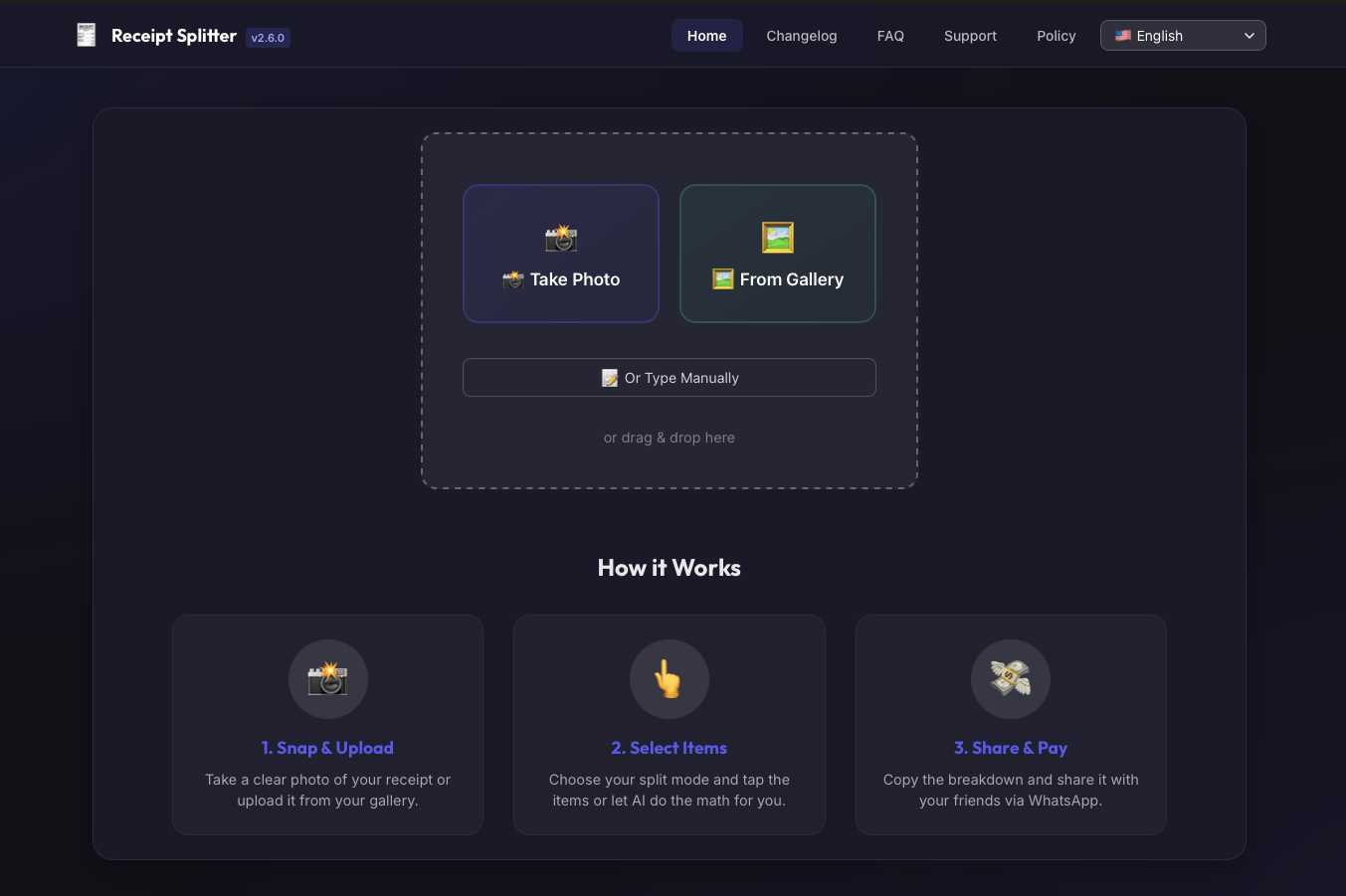
Split bills fairly in seconds with AI-powered OCR, multi-currency support, and a stateless privacy-first architecture.
2025
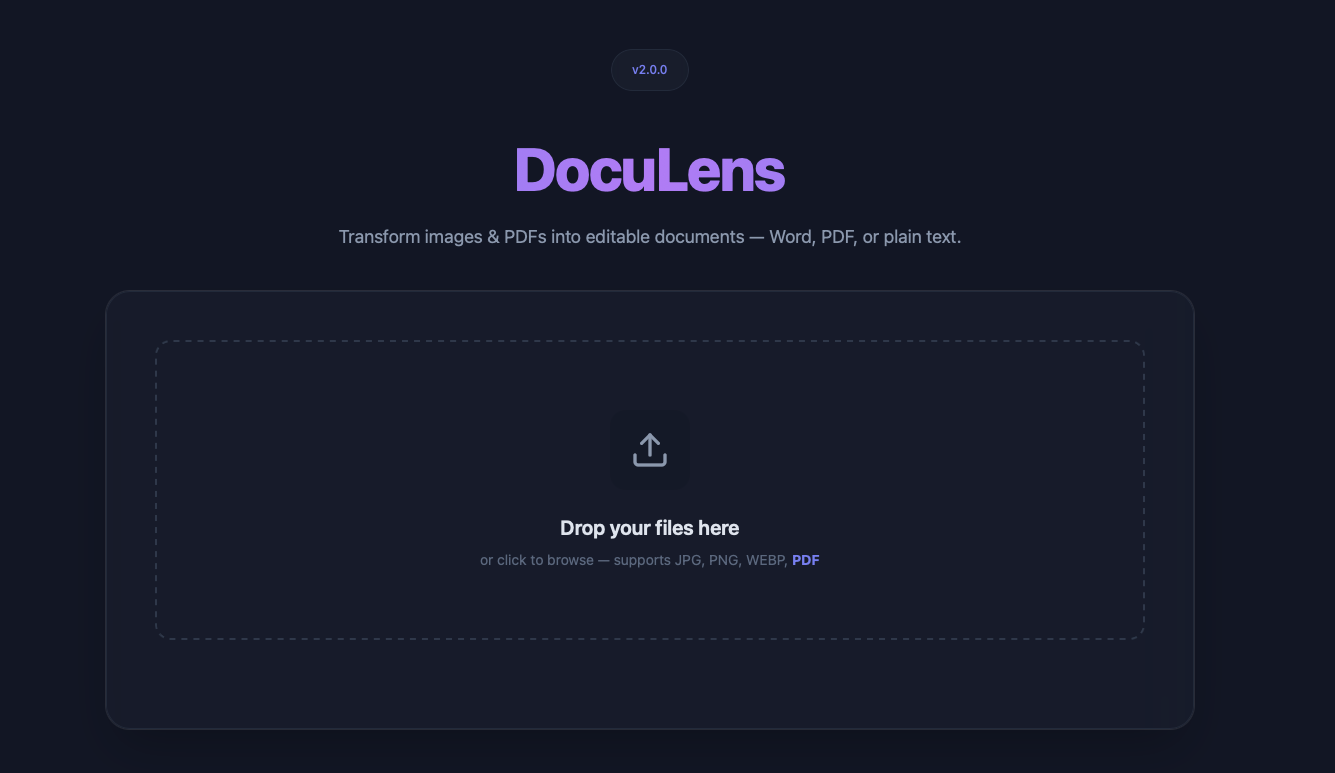
Transform physical documents into editable Word files using OCR and AI-assisted formatting.
2026
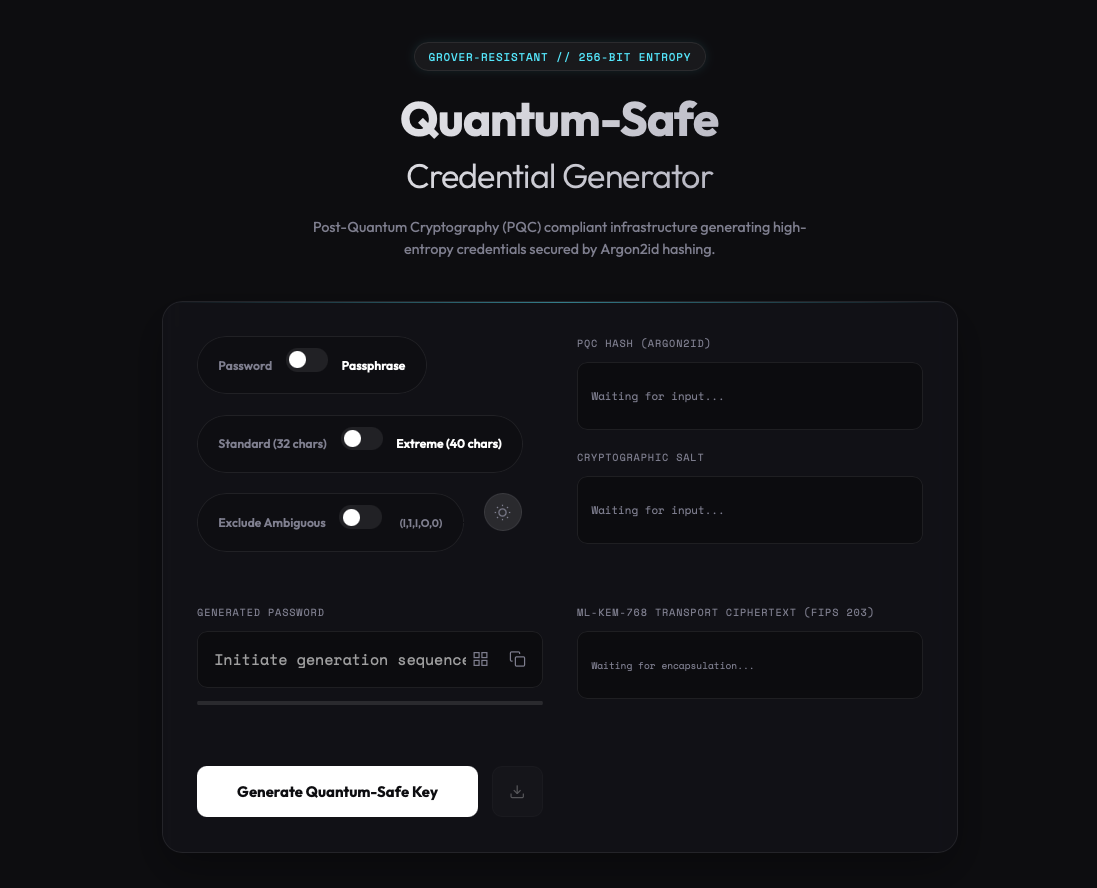
Generate passwords resistant to quantum computer attacks using ML-KEM, Argon2id, Go, Lambda, and WebAssembly.
2026
A Go CLI tool that tracks and attributes AI-generated code in git repositories.
2026
A production-grade AI personal assistant using Go, Next.js, Qdrant, AWS S3, Docker, and retrieval-augmented generation.
2026
Zero-trust serverless gateway that strips PII before requests reach public AI providers.
2026
Split bills fairly in seconds with AI-powered OCR, multi-currency support, and a stateless privacy-first architecture.
2025
Transform physical documents into editable Word files using OCR and AI-assisted formatting.
2026
Generate passwords resistant to quantum computer attacks using ML-KEM, Argon2id, Go, Lambda, and WebAssembly.
2026
A Go CLI tool that tracks and attributes AI-generated code in git repositories.
2026
A production-grade AI personal assistant using Go, Next.js, Qdrant, AWS S3, Docker, and retrieval-augmented generation.
2026
Zero-trust serverless gateway that strips PII before requests reach public AI providers.
Personal operating system
Notebook
Medium posts, local notes, applied research, and talk drafts in one place.
Research
AI systems
Talks
Docker Kuala Lumpur
Books
Matt Haig
Movies
Denis Villeneuve
Writing
Apr 18, 2026
A long-form engineering deep-dive into applying Karpathy's LLM-wiki pattern to Claude Code: transcript-replay auto-updates, Obsidian as source of truth, the honest trade-offs of Graphiti and custom builds, and a full survey of where else a personal knowledge base can live in 2026.
Jan 27, 2026
A technical deep-dive into building a stateless, multi-currency receipt splitter using Claude Vision OCR, Go Fiber, and React—with zero user data storage.